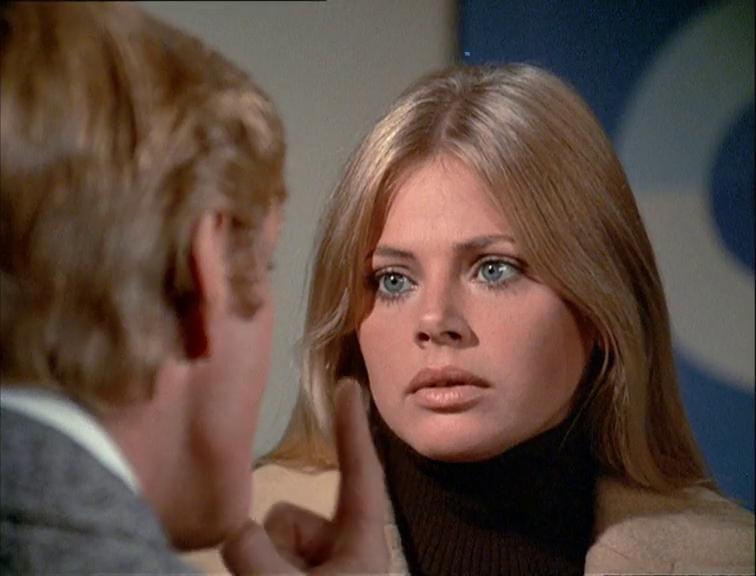
Britt Ekland, the British-Swedish actress best known for her role as Mary Goodnight in The Man with the Golden Gun, has recently returned to the media spotlight through interviews reflecting on her life and career. Now in her 80s, she remains one of the most recognizable “Bond girls” of the franchise’s classic era. Her performance opposite Roger Moore helped secure her place in cinematic history, even as the role itself was often viewed as lighthearted and comedic.
Beyond her Bond fame, Ekland rose to prominence in the 1960s and 1970s through both her acting work and high-profile relationships with celebrities such as Peter Sellers and Rod Stewart. She also built a diverse acting portfolio with roles in films like The Wicker Man and Get Carter, establishing herself as a notable figure in classic cinema. Over time, she transitioned away from major film roles, focusing instead on theatre, television, and occasional public appearances.
In recent interviews, Ekland has spoken candidly about the differences between the film industry of her era and today’s Hollywood. She has acknowledged that while the 1970s brought glamour and opportunity, it could also be a challenging environment for women.
She believes that modern productions—especially in the James Bond franchise—now offer greater professionalism and respect, influenced by cultural shifts such as the #MeToo movement.
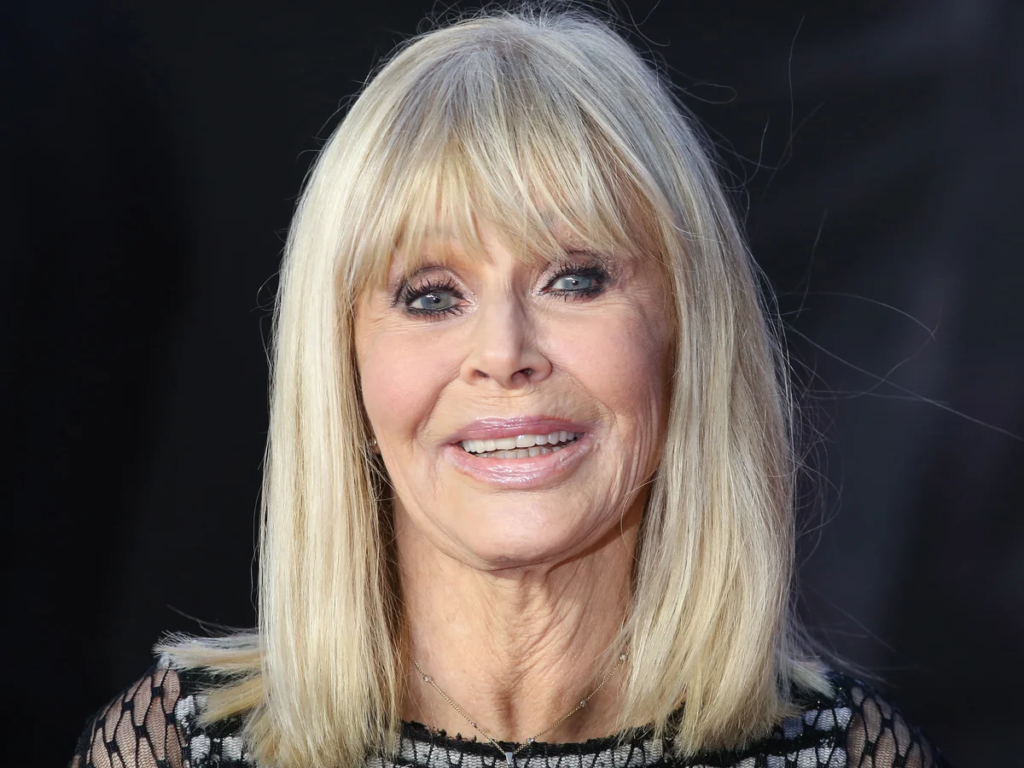
Today, Britt Ekland continues to enjoy a quieter but active life, attending events and engaging with fans who still celebrate her legacy. She often reflects on how the concept of the “Bond girl” has evolved, noting that contemporary female characters are portrayed as stronger and more independent. Even decades later, she remains a symbol of a defining era in film—bridging the glamour of the past with the progress of the present.