The Beginning of Scarlett’s Journey
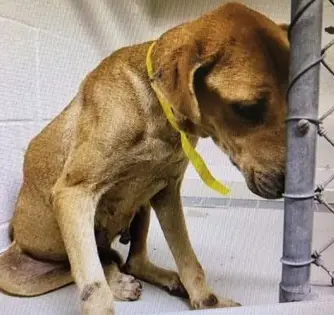
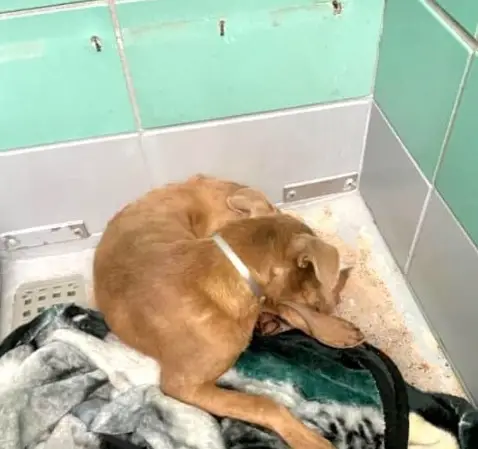
The shelter staff noticed how Scarlett reacted when approached. Instead of wagging her tail or seeking affection, she retreated to the farthest corner of her kennel. She refused treats, shivered uncontrollably, and shut herself off from any attempts at comfort.
It was as if she had already given up on the idea that humans could ever be kind to her.
Her timid behavior quickly put her at risk. With overcrowding at shelters, dogs that show extreme fear and withdrawal often face the harshest outcomes. Scarlett was scheduled for euthanasia on May 15, just five days after her arrival.

A Last-Minute Intervention
But fate intervened. Just before Scarlett’s life was set to end, a foster parent stepped forward. They were moved by her fragile state and decided to give her a temporary home, offering her a chance at life beyond the cold walls of the shelter.
In that moment, Scarlett was given hope. She was spared from the unthinkable, and it seemed like her story might finally be turning in a better direction. For a brief time, she had a safe place away from the constant noise of the shelter, where healing might have been possible.
The Challenge of a Shut-Down Puppy
However, Scarlett’s needs turned out to be more complex than her foster family anticipated. While many dogs adjust quickly to a home environment, Scarlett’s trauma ran deep. She didn’t know how to relax, how to play, or how to trust. Her fear was not something that could be undone with a few days of kindness—it required patience, experience, and special understanding.
Her foster parents, despite their good intentions, eventually realized they did not have the skills needed to help a dog so completely shut down. Heartbroken, they made the difficult decision to return Scarlett to the shelter.
This wasn’t Scarlett’s fault. Trauma had shaped her responses, and she simply didn’t know yet that she was safe. But the return left her once again vulnerable, back in the same environment that had nearly cost her her life.
The Weight of Fear
Scarlett’s trembling body and refusal to accept affection tell a painful story. Fear in dogs can be as paralyzing as physical injury. It builds invisible walls that separate them from the world around them. For Scarlett, every hand reaching toward her felt like a threat. Every sound seemed overwhelming.
Her heart longed for safety, but her mind told her she wasn’t safe. And so she shut down—hiding in corners, shuddering, unable to connect.
For many shelter dogs like Scarlett, this cycle is difficult to break without the right support. They need fosters or adopters who understand trauma, who can offer gentle encouragement without pushing too hard, and who know that progress is measured in tiny victories—a tail wag, a lick of a treat, a brief moment of eye contact.
Why Experienced Fosters Are So Important
Scarlett’s story underscores the need for experienced foster caregivers, especially for dogs who carry heavy emotional wounds. Not every dog comes into a shelter ready to trust again. Some need time, patience, and a safe environment where they can slowly rediscover what love feels like.
These fosters provide more than just food and shelter—they provide healing. They know how to give scared dogs the space they need while gently guiding them toward trust. For a dog like Scarlett, an experienced foster could be the difference between continued despair and the chance to blossom into the playful puppy she was meant to be.
The Plea for Scarlett
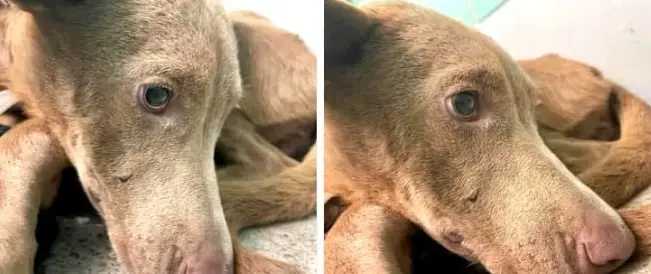
Right now, Scarlett needs someone special to step forward. She doesn’t need pity—she needs understanding. She doesn’t need quick results—she needs patience. What she craves, even if she doesn’t know how to show it yet, is love that is steady and kind.
The shelter has made it clear: it isn’t Scarlett’s fault. She isn’t broken. She is simply a puppy who has never been taught that the world can be kind. With the right foster or adopter, she can learn that lesson and discover a whole new life filled with joy.
The Role of Community in Saving Lives
Scarlett’s survival depends on more than just one person. It depends on a community willing to share her story, to spread the word to friends, family, and rescue groups who might have the resources and experience to help her.
Every share on social media, every conversation with a rescue agency, and every mention to a trusted friend increases Scarlett’s chances of finding the right foster home. By amplifying her story, people can turn heartbreak into hope.
To learn more about adopting Scarlett, contact the team at BARC Animal Shelter in Houston — they’ll be happy to guide you.

A Chance at Redemption
For Scarlett, hope still exists. Though her journey has been difficult, she is young, and with time, she can heal. The world has already shown her its cruel side, but it now has the chance to show her compassion and patience.
Dogs are incredibly resilient. Time and again, we see animals who have endured unimaginable suffering learn to trust again, wag their tails again, and even play again. Scarlett deserves that same chance.

Final Thoughts
Scarlett’s story is heartbreaking, but it is not over. She has already survived abandonment, fear, and the looming threat of euthanasia. She has shown strength in the face of overwhelming challenges. Now she needs the right people to help her move forward.
If there is one message her story carries, it is this: dogs like Scarlett cannot save themselves. They need us—our compassion, our voices, our willingness to step forward when no one else does.
Scarlett may be shut down today, but with love and patience, she can open her heart again. She can find joy, safety, and happiness in a forever home. Until then, we can all play a part by sharing her story and reminding the world that no dog deserves to live in fear.