For most of her life, Libby Huffer has lived with a rare genetic condition known as Neurofibromatosis Type 1 (NF1). The disorder causes tumors to grow along nerves throughout the body, often leading to visible changes in appearance. Affecting about one in every 3,000 people worldwide, the condition can be inherited or occur as a spontaneous genetic mutation. For Libby, the symptoms began early in life but became more severe as she grew older.
Over the years, thousands of tumors known as neurofibromas developed across her body. Although these growths are usually non-cancerous, they can cause discomfort, pain, and emotional stress—especially when they appear on visible areas such as the face. According to Libby, more than 6,000 tumors eventually formed on different parts of her body, creating daily challenges that affected both her physical comfort and self-confidence.
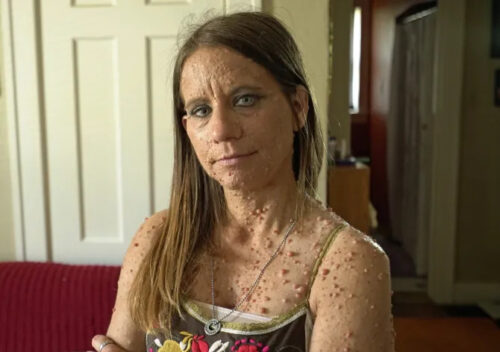
Living with such a visible condition also meant facing years of misunderstanding and bullying. During her childhood, classmates often singled her out because of her appearance, sometimes using hurtful nicknames. These painful experiences left lasting emotional scars. Despite this, Libby continued working toward a normal life, focusing on her education, relationships, and raising her daughter.
Determined to improve her health and quality of life, Libby began researching possible treatments. She eventually discovered a procedure called Electrodessication, a dermatological technique used to remove certain skin growths using controlled electrical energy. However, the treatment was costly—estimated at around $23,500. In 2016, she courageously shared her story through a public fundraiser, hoping that others would understand her struggle and help support her journey toward surgery.
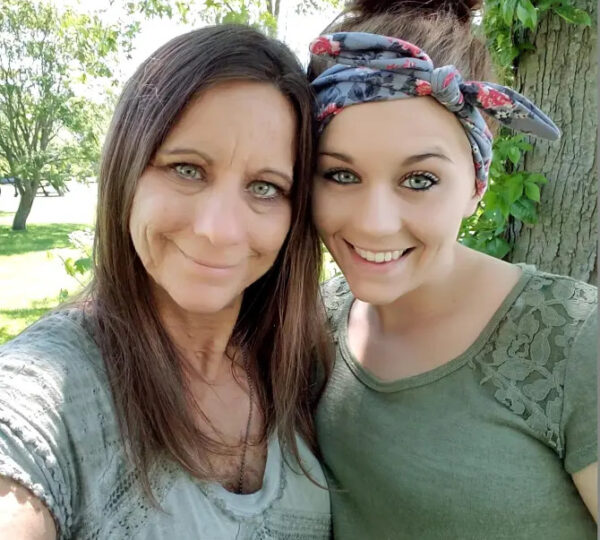
After months of support from compassionate donors, Libby was finally able to undergo surgery in June of the following year. Doctors successfully removed about 1,000 tumors during the procedure, bringing significant relief and a renewed sense of confidence. While recovery and additional treatments, including CO₂ laser therapy, were still necessary, Libby’s journey became a powerful story of resilience. By sharing her experience, she continues to raise awareness about Neurofibromatosis Type 1 and encourages people everywhere to show kindness and compassion toward those living with visible medical conditions.