In a world where medical statistics often dominate deeply personal decisions, Charli Worgan and Cullen Adams chose to lead with hope.
The Australian couple, who live with two different forms of dwarfism, were repeatedly warned about the genetic risks involved in having children. Doctors outlined complex possibilities and serious complications, emphasizing that pregnancy in their case carried significant uncertainty. Yet Charli and Cullen focused on something beyond probability charts — their ability to provide love, stability, and a nurturing home. Today, as parents of three, their journey has become a powerful story about resilience, informed choice, and unconditional acceptance.
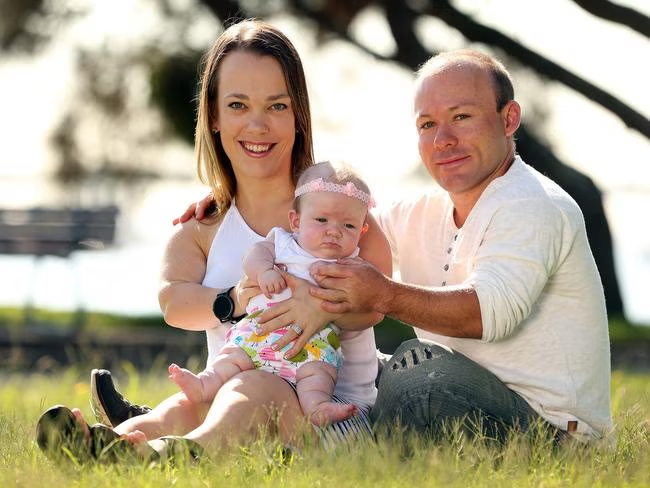
Charli has achondroplasia, the most common form of dwarfism, which affects bone growth and typically results in shorter limbs and characteristic skeletal differences. Cullen lives with geleophysic dysplasia, a rare genetic condition associated not only with shorter stature but also potential respiratory and cardiovascular complications. Because their conditions stem from different genetic mutations, each pregnancy carried multiple possible outcomes. Doctors explained that a child could inherit one condition, the other, neither condition, or in rare cases both — a combination considered life-threatening. These were not abstract possibilities; they were very real scenarios the couple carefully weighed each time they considered expanding their family.
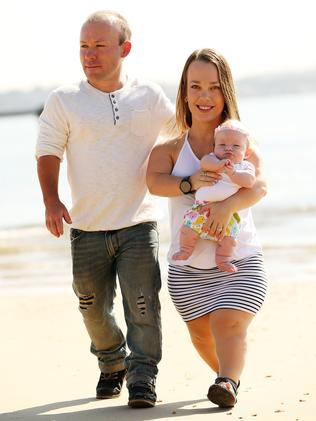
Their three children reflect that genetic complexity. Their first child, Tilba, born in 2015, inherited Charli’s achondroplasia. A few years later, their second child, Tully, was born and inherited Cullen’s geleophysic dysplasia. In 2021, they welcomed their third child, Rip, who was born with average height — the first in their immediate family without dwarfism. Each child, regardless of genetic outcome, was embraced with the same unwavering message: you are wanted, you are valued, and you belong.
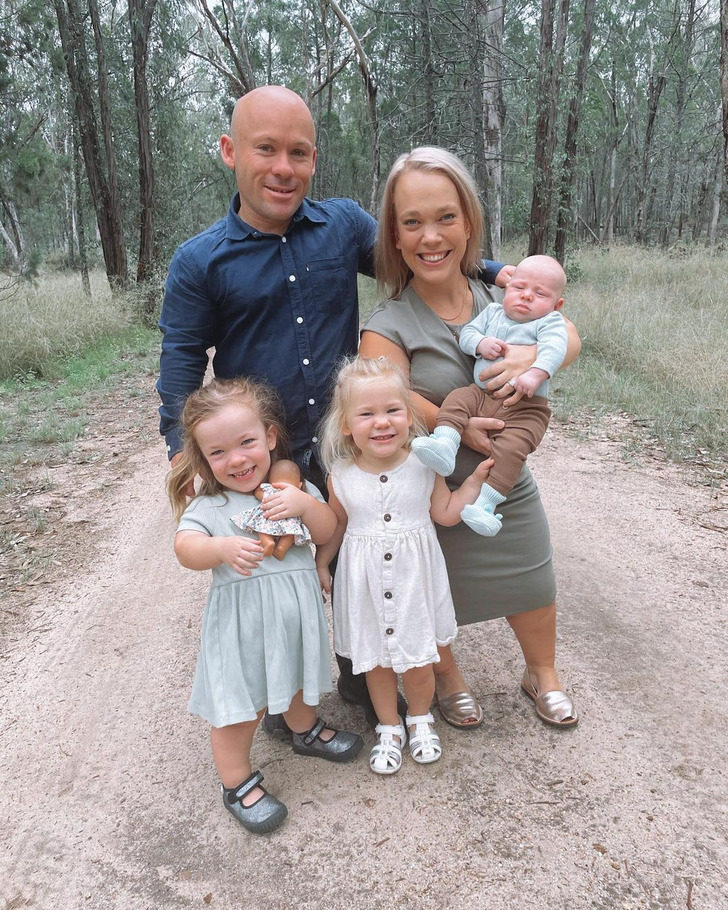
Raising children in a world that often stares or asks intrusive questions requires intentional parenting. Charli and Cullen have spoken openly about building confidence early, teaching their children to handle curiosity without shame, and creating a home where disability is neither hidden nor treated as a limitation. In their household, differences are normalized and understood. The focus remains on character, kindness, resilience, and individuality — not physical stature. Their advocacy extends beyond their own family, encouraging broader conversations about how society defines “normal” and who gets to decide what makes a family whole.
Ultimately, their story does not dismiss the medical risks or the complexity of genetic inheritance. Instead, it highlights the balance between medical guidance and personal autonomy. Charli and Cullen demonstrate that family strength is not determined by perfect circumstances but by preparation, support, and deep commitment. Their journey reminds us that while genetics shape certain aspects of life, love shapes everything else — and in their home, that foundation is unmistakably strong.