The baseball world recently said goodbye to Hall of Fame second baseman Bill Mazeroski, who passed away at the age of 89. Widely respected for his exceptional defense and steady leadership, Mazeroski spent his entire 17-season career with the Pittsburgh Pirates.
His legacy includes one of the most famous moments in baseball history and a reputation as one of the greatest defensive second basemen ever to play the game.
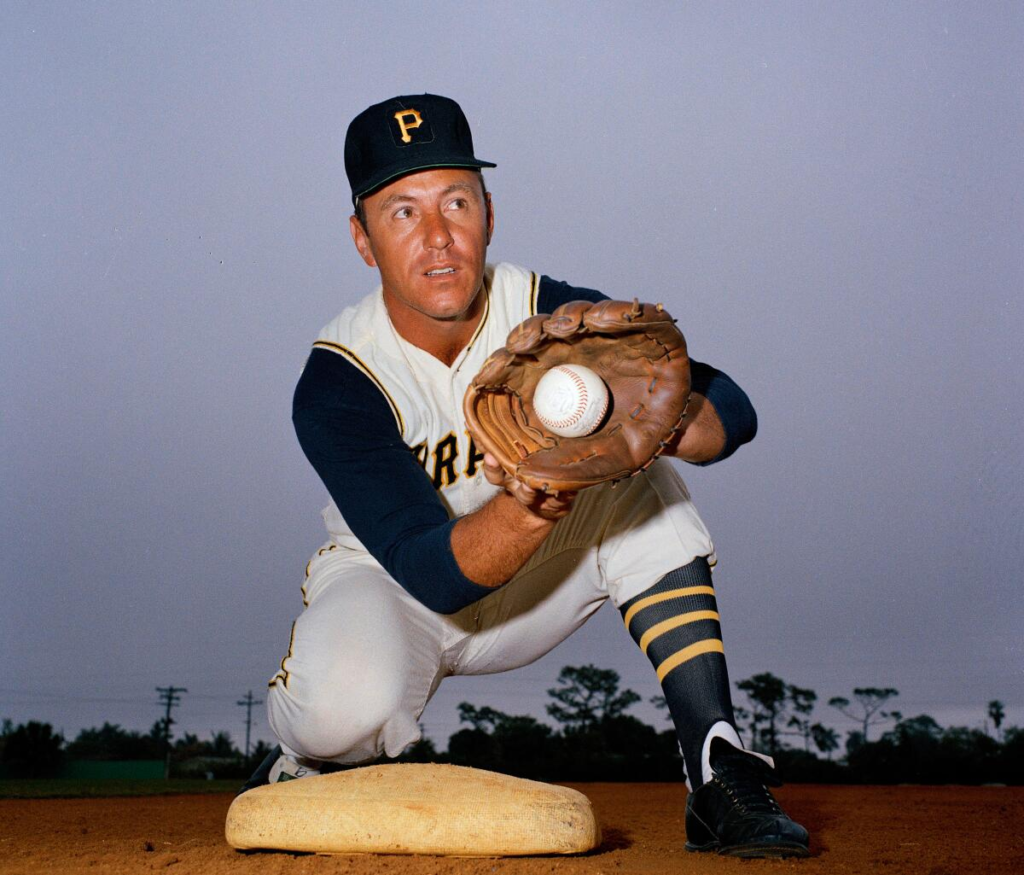
Mazeroski is forever linked to a legendary moment during the 1960 World Series. In Game 7 against the New York Yankees, he hit a dramatic walk-off home run in the bottom of the ninth inning, giving Pittsburgh a 10–9 victory. The play remains the only walk-off home run in a Game 7 of the World Series, making it one of the most unforgettable moments in baseball history.
Born in Wheeling, West Virginia, in 1936, Mazeroski developed a love for baseball at a young age and quickly showed remarkable athletic ability. After signing with the Pirates as a teenager, he worked his way through the minor leagues before making his Major League debut in 1956. His partnership with shortstop Dick Groat became one of the most dependable double-play combinations in baseball, helping strengthen the Pirates’ infield defense.
During his career, Mazeroski earned eight Gold Glove Awards and was selected to 10 All-Star Games. While he was not primarily known for his hitting, his defensive skill—especially his ability to turn double plays—was widely admired by teammates, pitchers, and fans. He also played an important role in helping the Pirates win another championship in 1971 before retiring after the 1972 season.
Mazeroski was inducted into the National Baseball Hall of Fame in 2001, recognizing the lasting impact of his defensive excellence. In Pittsburgh, he remains a beloved sports figure, honored with a statue outside PNC Park that commemorates his famous 1960 home run. Although he is gone, Bill Mazeroski’s legacy—built on loyalty, skill, and one unforgettable swing—will continue to inspire baseball fans and players for generations.