Modern medicine has the power to change lives in ways that once seemed impossible. One of the most striking examples of this progress is reconstructive facial surgery. For people who have suffered severe burns or injuries, such operations can mean much more than a physical transformation—they can mean a completely new beginning. One inspiring story reported by the Turkish newspaper Milliyet describes how a woman who lived most of her life hiding from the world was finally able to receive a new face and a new chance at life.
A Life Hidden From the World
The woman’s tragic story began when she was only a baby. A devastating fire left her with severe burns that destroyed most of the soft tissue on her face, including her nose and large parts of her skin. As she grew older, the injuries deeply affected every aspect of her life. Because of her appearance, she often avoided going outside and spent many years isolated from society.
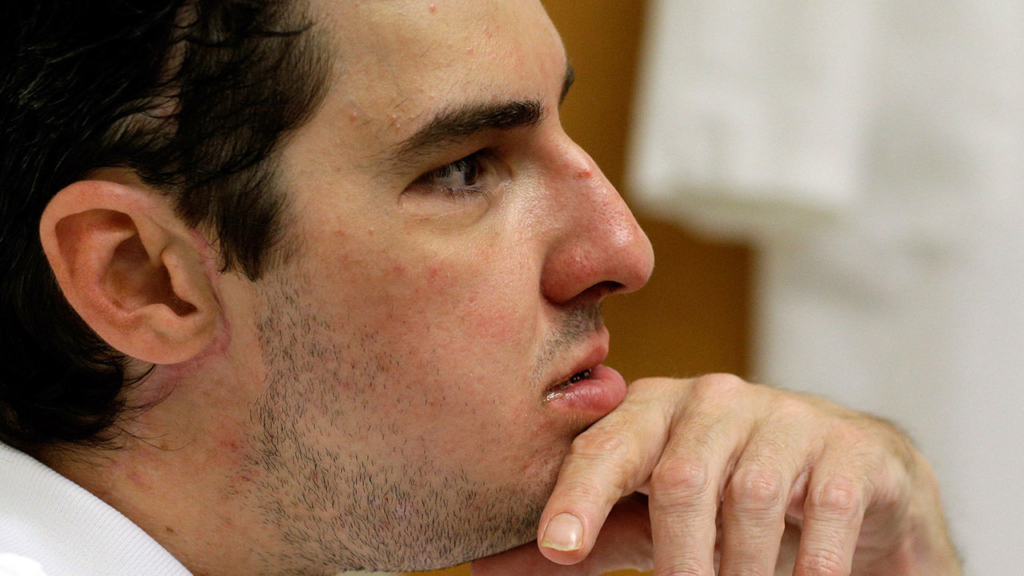
Simple opportunities that many people take for granted—such as attending school, building a career, or forming relationships—felt almost impossible for her. She rarely looked people in the eye and often stayed indoors, living quietly with relatives and helping them with household tasks. The emotional impact of such isolation was enormous. Years passed with little hope that her condition could ever be improved.
A Doctor With an Innovative Idea
Everything changed when she met Mehmet Mutaf, a well-known plastic and reconstructive surgeon working at Gaziantep University. Unlike many doctors who had previously told the woman that nothing could be done, Mutaf believed that a solution might be possible.
Instead of performing a traditional face transplant using donor tissue, he developed a new surgical approach that used only the patient’s own tissues. This method was particularly significant because it avoided one of the biggest risks of transplant surgery: the possibility that the body might reject foreign tissue. In many transplant cases, patients must take powerful medications to prevent rejection, and these drugs can cause serious side effects.
Mutaf’s technique aimed to eliminate that risk. By reconstructing the face using tissue from the patient’s own body, surgeons could create a new facial structure without relying on a donor. According to the doctor, this innovative method could potentially change how doctors treat severe facial injuries in the future.
The Complex Reconstruction
The surgery itself required tremendous skill and patience. Because much of the woman’s facial tissue had been destroyed in the fire, surgeons had to carefully rebuild the missing structures step by step. They recreated parts of her nose and facial contours while also restoring the protective layers of skin that had been lost decades earlier.
The process was not completed in a single operation. Instead, it involved a series of surgical procedures designed to gradually reconstruct the face and achieve a natural appearance. Every stage required careful planning to ensure that blood flow, tissue health, and facial proportions remained balanced.
Despite the complexity, the results were remarkable. For the first time in her life, the woman could look at herself in the mirror and see a face that resembled a normal human appearance.
The impact of the surgery was not only physical. It also transformed the woman’s emotional and social life. For decades she had avoided public places, feeling uncomfortable about how others might react to her appearance. After the reconstruction, however, she slowly began to regain confidence.
She started to interact more openly with people and participate in everyday activities that once felt unreachable. The operation gave her something she had long been denied: the opportunity to live without constantly hiding from the world.
Stories like hers highlight how reconstructive medicine can restore dignity and independence to individuals who have suffered life-altering injuries. They also show how innovation in medical science continues to push the boundaries of what is possible.
A Symbol of Hope
Although facial reconstruction is still one of the most challenging fields in surgery, advances in techniques and technology are opening new possibilities. Procedures that once seemed experimental are now offering real hope to patients around the world.
For this woman, the operation meant far more than cosmetic improvement. It meant reclaiming a life that had been overshadowed by tragedy. After decades of living in isolation, she finally had the chance to face the world—literally—with a new face and renewed confidence.
Her story is a powerful reminder that behind every medical breakthrough lies a human story of resilience, determination, and hope.